
Ridgetop Dental Shares Guidance on Toothbrush Replacement and Oral Hygiene
Alexandria, United States - March 13, 2026 / Ridgetop Dental /
Summary:
Ridgetop Dental has released clinical guidance outlining how often toothbrushes and electric brush heads should be replaced and why timely replacement supports gum health and effective plaque removal. The information highlights common wear patterns, health considerations, and preventive oral hygiene practices.
Virginia — Ridgetop Dental has published new educational guidance explaining recommended timelines for replacing manual toothbrushes and electric brush heads, as well as the oral health risks associated with extended use. The release is intended to help patients understand how this routine habit affects plaque control, gum health, and long-term dental outcomes.
Table of Contents
Toothbrush Effectiveness Declines as Bristles Wear
Recommended Replacement Timeline for Manual Toothbrushes
Replacement Guidance for Electric Toothbrush Heads
Oral Health Risks of Delayed Toothbrush Replacement
Illness, Wear Patterns, and Special Considerations
Toothbrush Habits and Their Connection to Gum Health
Toothbrush Effectiveness Declines as Bristles Wear
According to Ridgetop Dental, toothbrush bristles are designed to flex and reach along the gumline and between teeth. As bristles wear down, they lose their ability to remove plaque effectively, particularly in areas where bacteria commonly accumulate.
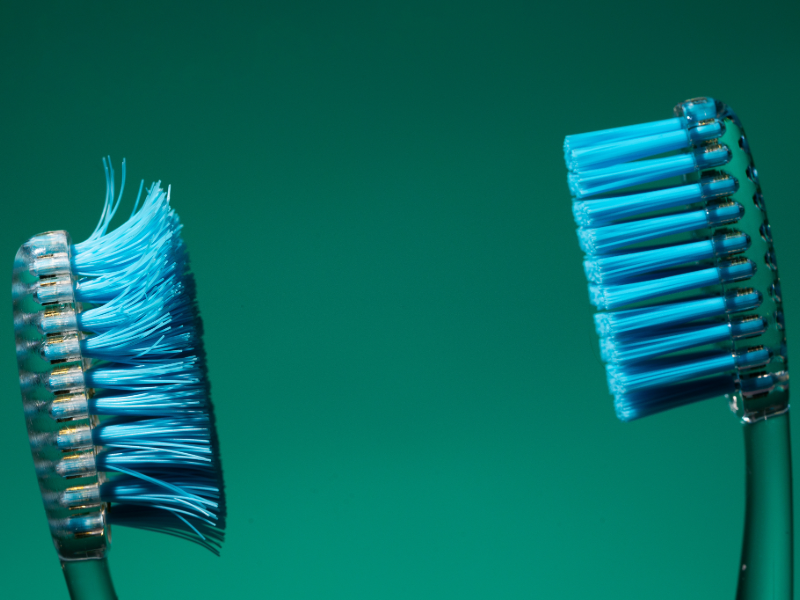
The practice notes that worn bristles tend to bend outward, reducing cleaning efficiency and allowing plaque to remain near the gums. Over time, this can contribute to gum inflammation, cavities, and persistent bad breath, even in patients who brush consistently.
Recommended Replacement Timeline for Manual Toothbrushes
Ridgetop Dental advises that most adults should replace a manual toothbrush every three to four months under normal use. Earlier replacement may be necessary if bristles become splayed, if brushing pressure is heavy, if the toothbrush has been dropped or stored improperly, or following illness.
The practice also notes that toothbrushes showing significant wear after only a short period may indicate overly aggressive brushing, which can contribute to gum irritation and enamel wear.
Replacement Guidance for Electric Toothbrush Heads
Electric toothbrush handles are designed for long-term use, but the brush heads wear at a similar rate to manual toothbrushes. Ridgetop Dental recommends replacing electric brush heads every three to four months, or sooner if bristles lose their shape, brushing feels less effective, or illness has occurred.
Indicator bristles on some electric brush heads can serve as a visual reminder, but the practice emphasizes that appearance and performance should guide replacement decisions.
Oral Health Risks of Delayed Toothbrush Replacement
Ridgetop Dental reports that using a worn toothbrush does not typically cause immediate discomfort, but it can allow oral health issues to develop gradually. Common concerns associated with delayed replacement include increased plaque buildup, gums that bleed more easily, a persistent feeling of unclean teeth after brushing, and a higher risk of cavities.
These effects often accumulate quietly, making routine toothbrush replacement an important preventive measure.
Illness, Wear Patterns, and Special Considerations
The practice advises replacing toothbrushes and brush heads after contagious illnesses such as colds, flu, or strep throat, as bacteria and viruses can remain on bristles and increase the risk of reinfection. Children may also require more frequent replacement due to chewing on bristles, heavier brushing pressure, or accidental drops.
Ridgetop Dental notes that while hard-bristled brushes may appear to last longer, soft bristles remain the preferred option for most patients due to their ability to clean effectively without damaging gums or enamel.
Toothbrush Habits and Their Connection to Gum Health
Effective plaque removal plays a central role in maintaining gum health. When plaque is not adequately removed, inflammation can progress before pain is noticed. Regular toothbrush replacement supports healthier gums, fresher breath, and better protection of enamel along the gumline.
“Patients often focus on brushing frequency, but the condition of the toothbrush itself matters just as much,” said Dr. Datta Malyavantham, BDS, DDS, FICOI. “Replacing a worn brush on schedule helps ensure daily habits are actually supporting gum and tooth health.”
Additional information on preventive oral hygiene and toothbrush care is available through Ridgetop Dental’s educational resources.
About Ridgetop Dental
Ridgetop Dental provides comprehensive dental care with an emphasis on patient education, preventive services, and long-term oral health. The practice is guided by its TEAM I.M.P.A.C.T. core values, including teamwork, integrity, accountability, trust, and continuous growth, which shape how care is delivered and how patients are supported throughout their treatment experience.
The practice offers a full range of general, restorative, cosmetic, and advanced dental services, using modern technology and personalized treatment planning to address both immediate concerns and underlying oral health needs. Ridgetop Dental focuses on building long-term relationships with patients through clear communication, comfort-first care, and consistent clinical standards across all locations.
Ridgetop Dental is also committed to community engagement and social responsibility, including partnerships that provide access to dental care for underserved children and participation in local health initiatives across Northern Virginia.
Contact:
Ridgetop Dental
Serving Alexandria, Reston, and Sterling, VA


Contact Information:
Ridgetop Dental
6481 Old Beulah St
Alexandria, VA 22315
United States
Datta Malyavantham
(703) 997-6073
https://ridgetopdental.com/alexandria


